Cognitive Learning Theory
Cognitive Learning Theory focuses on the inner processes of the mind—how people think, remember, and learn. Unlike behaviorist theories that focus solely on observable behavior, cognitive theory dives deep into the mental activities that influence learning.
Continuous and Comprehensive Evaluation (CCE)
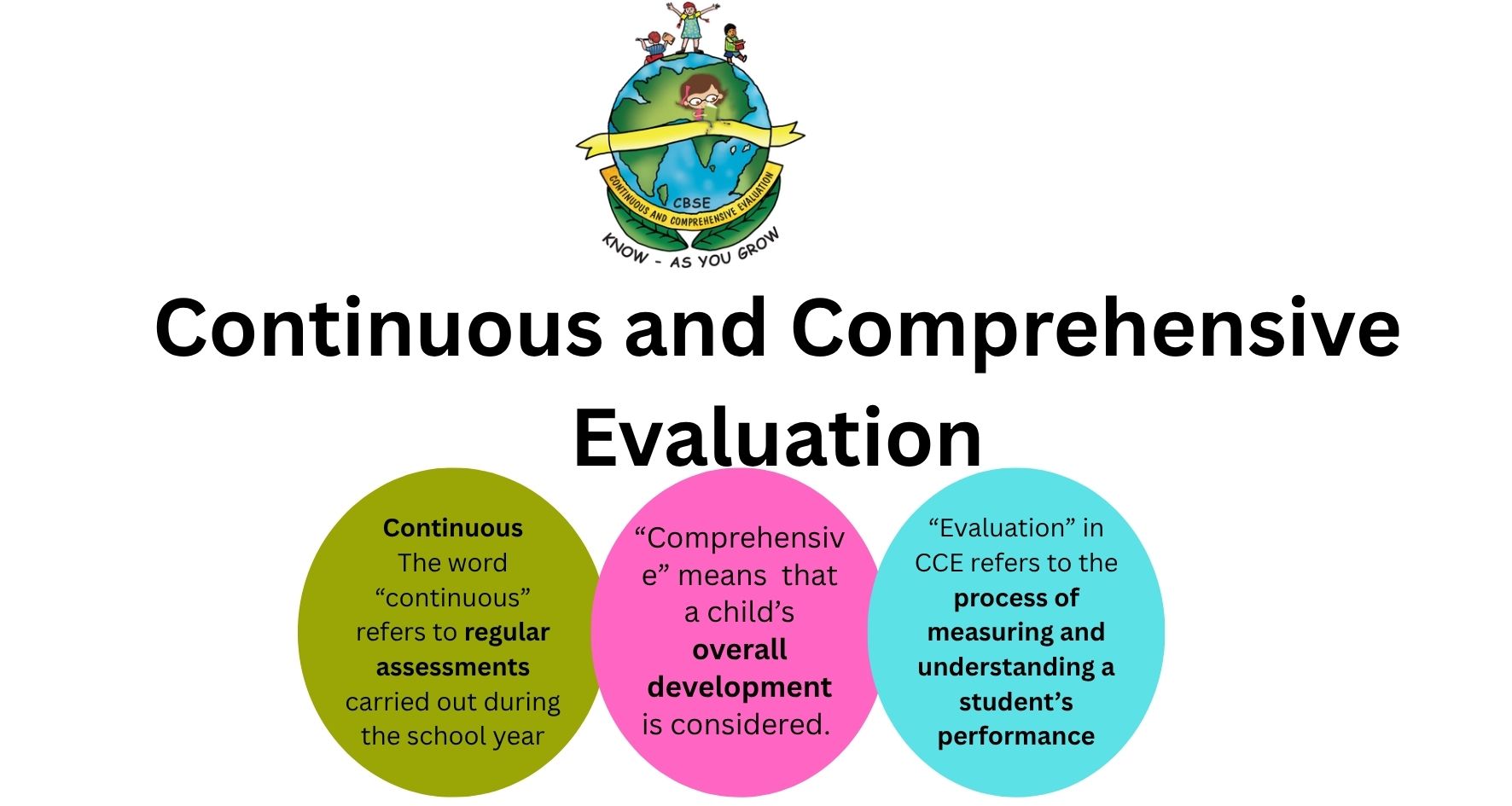
Continuous and Comprehensive Evaluation is a school-based assessment system introduced by the Central Board of Secondary Education (CBSE), and later encouraged across India. The goal is to evaluate students throughout the year and assess both academic and personal development.

Student Dropout A Serious Challenge for Schools and Society
Student Dropout: A Serious Problem in Schools
Student dropout is a major challenge that affects both schools and society. When students leave school before completing their education, they miss valuable opportunities for personal growth, higher education, and better career prospects.
Several factors contribute to dropout, including financial difficulties, family issues, academic struggles, lack of motivation, and poor attendance. The impact is significant, often leading to limited employment opportunities and reduced social and economic development.
Schools can help prevent dropout by providing academic support, counseling, regular parent-teacher communication, and a positive learning environment. Early intervention and encouragement can make a meaningful difference in keeping students engaged.
Every child deserves the chance to complete their education. By working together, schools, families, and communities can reduce dropout rates and help students build a brighter future.
Progressive Education and School ERP Systems
Progressive Education and School ERP Systems
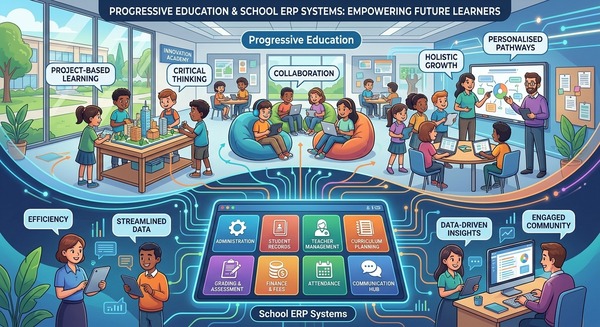
Modern education is shifting from traditional teaching methods to progressive education, which focuses on student-centered learning, critical thinking, creativity, and real-world experiences. This approach encourages students to actively participate in their learning journey rather than simply memorizing information.
A School ERP (Enterprise Resource Planning) system supports this educational model by streamlining academic and administrative processes. It helps schools manage attendance, examinations, fee collection, communication, and student records through a single digital platform.
How School ERP Supports Progressive Education
Personalized Learning: Tracks student performance and helps teachers provide individual support.
Better Communication: Connects teachers, students, and parents through real-time updates.
Efficient Administration: Automates routine tasks, allowing educators to focus more on teaching.
Continuous Assessment: Enables regular monitoring and feedback on student progress.
Data-Driven Decisions: Provides insights that help improve learning outcomes and school operations.
Conclusion
Progressive education and School ERP systems work together to create a more engaging, efficient, and student-focused learning environment. By combining innovative teaching methods with smart technology, schools can enhance learning experiences and prepare students for future success.