
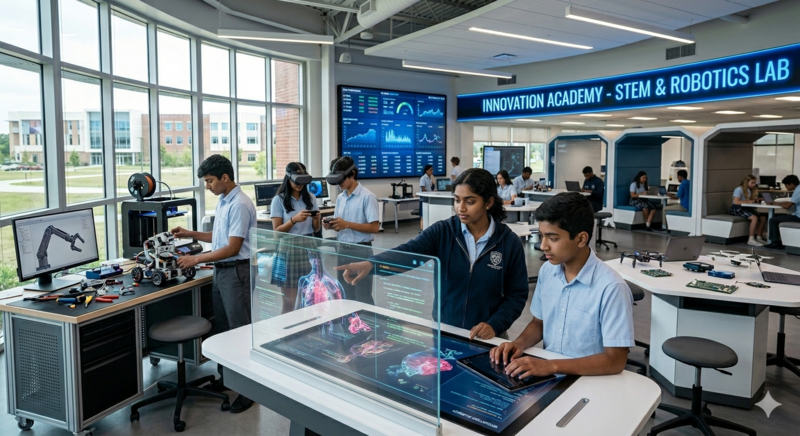
How Technology Makes Studies Easier
In today’s world, technology has changed the way students learn, study, and grow. From online classes to educational apps, modern tools have made education more accessible, engaging, and effective. Students no longer need to rely only on textbooks and classrooms. With just a smartphone or laptop, they can explore endless learning opportunities anytime and anywhere.
Easy Access to Information
One of the biggest advantages of technology in education is easy access to information. Students can search for any topic online and find articles, videos, research papers, and tutorials within seconds. Educational platforms and digital libraries help learners gain knowledge beyond classroom lessons.
For example, students can watch science experiments on video platforms, read e-books, or attend online lectures from experts around the world. This saves time and improves understanding.
Online Learning and Virtual Classes
Technology has made online learning possible. Virtual classrooms allow students to attend classes from home using video conferencing tools. This became especially important during the pandemic, when schools and colleges were closed.
Online learning platforms also offer recorded lessons, allowing students to learn at their own pace. If someone misses a class, they can easily replay the lesson later.
Interactive and Fun Learning
Traditional learning methods can sometimes feel boring, but technology makes education more interactive and enjoyable. Educational games, animations, quizzes, and virtual reality experiences help students stay interested in their studies.
Interactive learning improves concentration and helps students remember concepts better. Subjects like mathematics and science become easier when explained through visuals and simulations.
Better Communication and Collaboration
Technology helps students communicate easily with teachers and classmates. Through emails, messaging apps, and online discussion forums, students can ask questions and share ideas anytime.
Group projects have also become easier with tools that allow multiple students to work together on the same document or presentation from different locations.
Improved Organization and Time Management
Students can use digital calendars, reminder apps, and note-taking tools to manage their schedules and assignments effectively. Study apps help learners organize notes, track progress, and prepare for exams more efficiently.
This improves productivity and reduces stress during busy academic periods.
Personalized Learning Experience
Every student learns differently. Technology allows personalized learning by offering content based on individual learning speed and style. Some apps provide practice exercises and instant feedback, helping students improve weak areas.
Artificial intelligence and smart learning systems can even suggest study plans according to a student’s performance.
Challenges of Technology in Education
Although technology offers many benefits, it also has some disadvantages. Excessive screen time, distractions from social media, and dependence on gadgets can affect students negatively. Not all students have equal access to devices and internet connections, creating a digital divide.
Therefore, technology should be used wisely and in balance with traditional learning methods.
Conclusion
Technology has transformed education in many positive ways. It has made studying easier, faster, and more engaging for students across the world. With proper use, technology can improve learning experiences, encourage creativity, and help students achieve academic success. As technology continues to grow, the future of education will become even more innovative and accessible.