
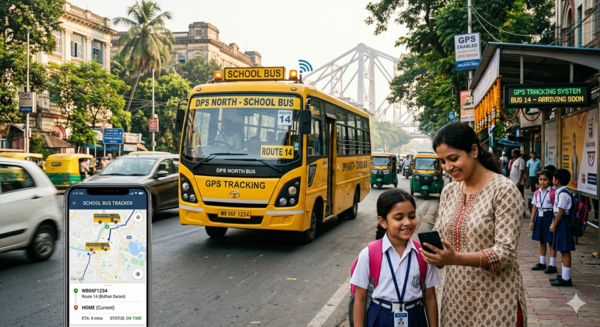
School transportation plays a crucial role in ensuring students travel safely and efficiently between home and school. However, traditional school bus management often faces challenges such as delayed buses, lack of real-time communication, safety concerns, and inefficient route planning. In today's digital age, a bus tracking system has emerged as a modern solution that transforms school transport operations, providing greater safety, transparency, and convenience for schools, parents, and transport administrators.
What Is a School Bus Tracking System?
A school bus tracking system is a technology-driven solution that uses GPS (Global Positioning System), mobile applications, and cloud-based software to monitor and manage school buses in real time. The system enables schools and parents to track the exact location of buses, receive notifications about arrivals and departures, and ensure students are transported safely.
Why Schools Need a Modern Bus Tracking System
1. Enhanced Student Safety
Student safety is the top priority for every educational institution. A bus tracking system provides real-time visibility of bus locations, allowing school authorities and parents to know where students are at any given time. Many systems also include emergency alerts, panic buttons, and driver monitoring features that improve overall security.
2. Real-Time Tracking for Parents
Parents often worry about whether their child has boarded the bus or reached school safely. With a mobile app, they can:
- Track the bus location live.
- Receive pickup and drop-off notifications.
- Get alerts for delays or route changes.
- Monitor estimated arrival times.
This transparency reduces anxiety and improves trust between schools and families.
3. Improved Operational Efficiency
Manual transport management can be time-consuming and prone to errors. Bus tracking systems automate several processes, including:
- Route planning and optimization.
- Attendance tracking.
- Vehicle monitoring.
- Driver performance management.
As a result, schools can save time, reduce fuel costs, and improve transportation efficiency.
4. Better Communication
Communication gaps are a common challenge in school transportation. A bus tracking system enables instant communication between transport managers, drivers, school administrators, and parents. Notifications regarding delays, weather disruptions, or emergencies can be shared immediately.
5. Reduced Waiting Time
Parents and students no longer need to wait at bus stops without knowing when the bus will arrive. Real-time ETA (Estimated Time of Arrival) updates help families plan their schedules more effectively and reduce unnecessary waiting.
Key Features of a Modern School Bus Tracking System
GPS-Based Live Tracking
Provides accurate real-time bus location updates.
Geo-Fencing
Creates virtual boundaries around schools, bus stops, and routes. Notifications are triggered when a bus enters or exits designated zones.
Student Attendance Management
Records student boarding and drop-off information through RFID cards, QR codes, or biometric systems.
Mobile App Integration
Allows parents and school staff to access transport information from smartphones.
Route Optimization
Analyzes traffic conditions and recommends the most efficient routes to reduce travel time and fuel consumption.
Emergency Alerts
Enables quick response during emergencies through instant notifications and SOS features.
Driver Monitoring
Tracks driver behavior such as speeding, harsh braking, and route deviations to promote safer driving practices.
Benefits for Different Stakeholders
For Parents
- Peace of mind through real-time visibility.
- Instant alerts and notifications.
- Better planning of daily schedules.
For Schools
- Improved transport management.
- Enhanced student safety compliance.
- Reduced administrative workload.
For Transport Administrators
- Efficient fleet monitoring.
- Lower operational costs.
- Improved route planning and resource utilization.
For Students
- Safer and more reliable transportation.
- Reduced travel-related stress.
- Timely arrivals and departures.
Challenges Solved by Bus Tracking Technology
Traditional school transport systems often struggle with:
- Lack of route visibility.
- Delayed communication.
- Safety concerns.
- Manual record-keeping.
- Fuel inefficiencies.
A modern bus tracking solution addresses these issues through automation, real-time monitoring, and data-driven decision-making.
The Future of School Transportation
The future of school transport is becoming increasingly smart and connected. Emerging technologies such as Artificial Intelligence (AI), Internet of Things (IoT), predictive analytics, and smart cameras are expected to further enhance school bus tracking systems. These innovations will help schools predict delays, improve route efficiency, and strengthen student safety measures.
Conclusion
A bus tracking system is no longer a luxury but a necessity for modern school transportation. By providing real-time tracking, enhanced safety, efficient fleet management, and seamless communication, it creates a safer and more transparent transport environment for everyone involved. As schools continue to embrace digital transformation, implementing a reliable bus tracking system can significantly improve the overall transportation experience and build greater confidence among parents, students, and school administrators.
Investing in a modern school bus tracking system is an investment in safety, efficiency, and peace of mind.